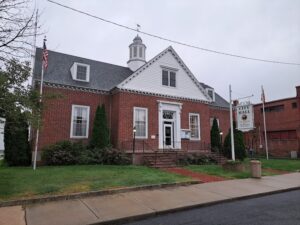
Pocomoke City’s Mayor and Council continued work on the proposed Fiscal Year 2027 budget during a May 28 work session, reviewing updates to the ambulance, water and wastewater, and general funds while discussing several major capital purchases, staffing additions, and long-term financial obligations.
The work session focused on revisions made since the council’s previous budget discussion earlier in the month.
City Considering Financing Second Ambulance
One of the largest changes presented by City Manager Brandy Matthews involved the city’s EMS budget.
Rather than purchasing a second ambulance outright using operating funds, city staff are recommending financing the vehicle to preserve cash flow. Matthews said the city had received a proposal from KS StateBank offering a tax-exempt financing rate of 5.83 percent over five years. Under the proposal, the city would make 20 quarterly payments of approximately $24,797.
Mayor Todd Nock indicated he supports the concept but wants the purchase formally approved during a public meeting and reviewed by the city attorney to determine whether a resolution is required. Nock also praised the EMS department’s salary step system, which was implemented previously to provide a structured pay scale. “I really hope to see all of our city departments go on scales,” Nock said, arguing that standardized compensation systems reduce the need for recurring salary negotiations.
Water and Wastewater Budget Prioritizes Second Street Repairs
Within the water and wastewater fund, Matthews highlighted salary adjustments reflecting both a proposed cost-of-living adjustment and employee step increases.
She also proposed redirecting contingency funds toward infrastructure repairs beneath Second Street. According to Matthews, deteriorating water and sewer lines beneath the roadway need to be repaired before any resurfacing work occurs.
“It would be best to use the contingency to fix the pipes on Second Street and then do the repaving because if we pave now, we’re going to have to tear it back up,” she said.
Docks, Street Sweeper Included in General Fund Updates
The proposed general fund includes a $450,000 grant from the Maryland Department of Natural Resources for dock-related feasibility work. Matthews explained that the grant revenue is offset by corresponding project expenses.
The budget also includes financing for a new street sweeper. Matthews reported that the city had received two proposals, with the lowest bid totaling approximately $251,000. The purchase would require a separate loan and a council resolution authorizing the financing. Officials noted that recent and planned street paving projects have increased the need for a reliable street sweeper.
The proposed budget also restores funding for an administrative assistant position in the city manager’s office, a position council members previously requested staff explore.
Council Member Questions Travel Spending
Councilman Hall questioned several travel-related budget items, particularly a stipend provided to elected officials for local travel and public events. Hall expressed concern about the amount allocated and whether the expenditures provide sufficient value to taxpayers.
“I just don’t understand,” Hall said during the discussion. “I’m just looking at the dollar from the taxpayer.”
Matthews responded that the stipend system often costs less than reimbursing mileage individually, especially when council members attend numerous meetings and events throughout the region.
Officials also discussed funding set aside for conferences and training events, including Maryland Municipal League conferences and other professional development opportunities.
Matthews noted that budgeted amounts represent maximum anticipated costs and that unused funds can be reallocated later through budget amendments if necessary.
Fair Funding Receives Additional Support
The budget includes an additional $10,000 for fair-related expenses. Matthews said the increase is intended to help cover the cost of rides during the Great Pocomoke Fair and support plans to potentially relocate the city’s National Night Out event from Cypress Park to the fairgrounds.
Mayor Nock said he believes the city should take a more active role in supporting the fair.
“The Great Pocomoke Fair is a city event,” Nock said. While advocating for city involvement, Nock also emphasized accountability regarding fair finances and expenditures.
Planning, Zoning and Code Enforcement Staffing Expanded
The proposed budget includes funding for an additional full-time support staff position for planning and zoning operations. Matthews said the addition was made in response to comments from council members during previous budget discussions.
Nock also argued that planning, zoning and code enforcement operations should increasingly support their own expenses through fees and fines rather than relying entirely on general tax revenues. He encouraged officials to review fee schedules during future budget cycles while continuing efforts to attract new development and expand the city’s tax base.
“If people want to see their property taxes lowered, one of the key drivers is to get more people here,” Nock said.
Solar Panel Agreement Sparks Lengthy Discussion
Perhaps the most animated discussion of the evening centered on the city’s long-running solar panel agreement associated with the wastewater treatment system. Hall expressed surprise after learning the city makes monthly net-generation payments related to the solar installation. Matthews estimated those payments typically range from approximately $18,000 to $25,000 per month.
The revelation prompted a broader discussion about the contract, ownership changes involving the solar project, and whether opportunities exist to renegotiate or potentially exit the arrangement. Officials noted that ownership of the solar project has reportedly changed multiple times over the years, creating uncertainty regarding the current ownership structure.
Hall argued that reducing those costs could potentially create opportunities to lower local property taxes.
Nock agreed that the city should review the agreement and suggested previous administrations may not have provided sufficient oversight of various public-private partnerships.
“It requires long-term oversight,” Nock said. “And I feel like the city got into all of these and never provided long-term oversight.”
No action was taken regarding the solar agreement during the work session, though officials indicated they intend to gather more information about the contract.
Budget Work Continues
The May 28 session was a work session only, and no final budget adoption occurred.
Council members reviewed proposed expenditures, financing options, staffing requests, and infrastructure projects ahead of future budget deliberations and formal adoption proceedings.
The FY 2027 budget remains under review as city officials continue refining spending plans for the upcoming fiscal year.

