Each August, two of the Eastern Shore’s most anticipated community events take place just miles apart—the Great Pocomoke Fair and the Worcester County Fair. Both celebrate our agricultural heritage, support local organizations, provide family entertainment, and showcase the best of our communities.
They also happen on the same weekend.
For many residents, that scheduling has become a source of frustration. Families often find themselves choosing between events instead of enjoying both. Vendors, entertainers, and exhibitors must decide where to set up. Agricultural supporters, 4-H families, and local businesses can find their time and resources stretched between two worthwhile events.
The question many people ask is simple:
Why are two major community fairs competing for the same audience when they could potentially strengthen each other by being held on different weekends?
Interestingly, this wasn’t always the case. Historical event listings from the late 1990s show the two fairs were held weeks apart, allowing residents to attend both. At some point, the schedules converged, and today they are both considered part of Worcester County’s Agriculture Week.
County records show that officials are aware of at least some of the challenges created by the overlap. During discussions surrounding the Worcester County Fair, food vendors expressed concerns that they were forced to choose between the two events because of the conflicting schedules. That concern likely extends beyond food vendors to craft vendors, exhibitors, volunteers, entertainers, and even families with children participating in agricultural activities.
Despite these concerns, no public explanation has been offered as to why the two fairs continue to share the same weekend.
Both events have grown significantly in recent years.
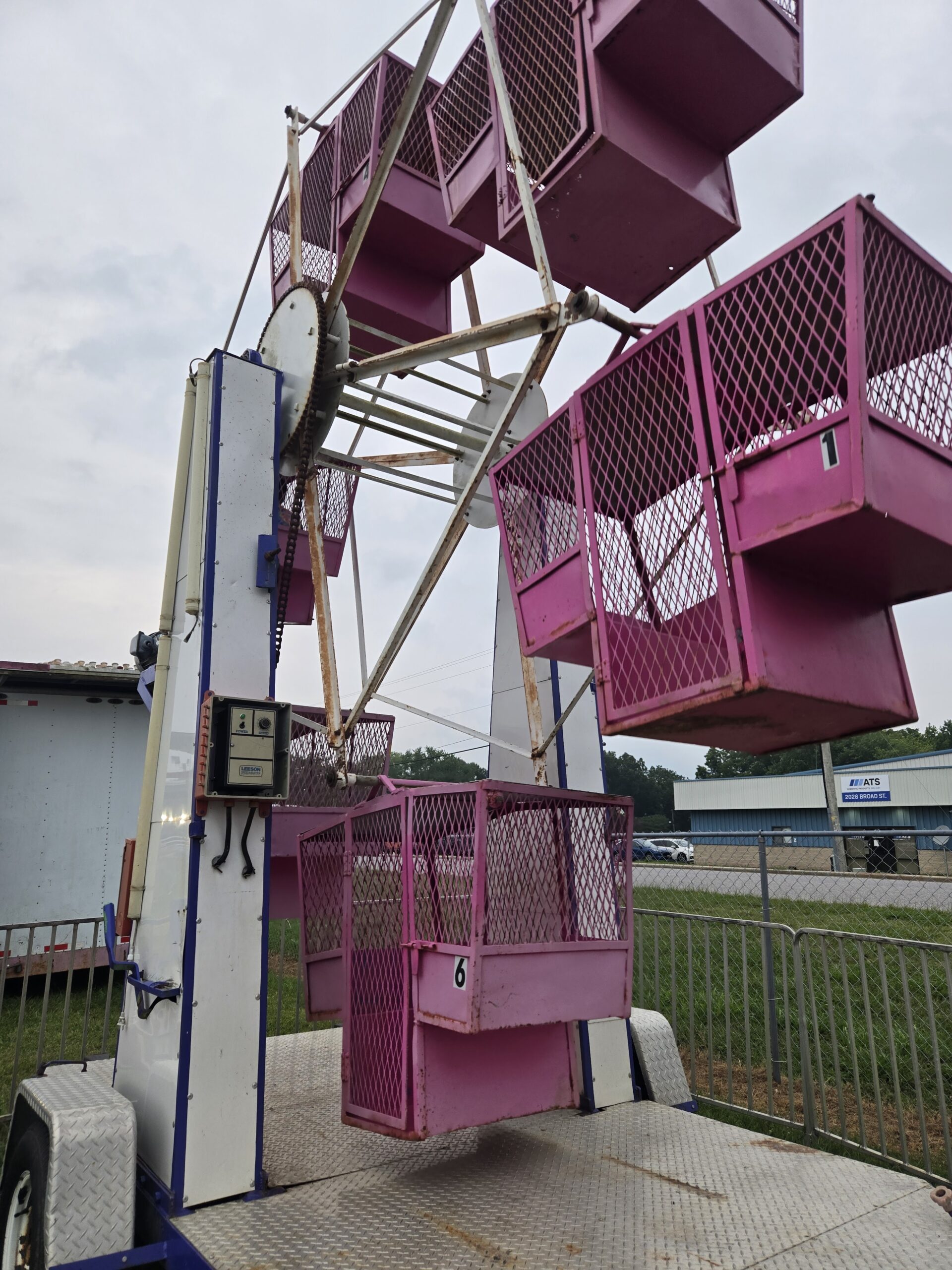
The Great Pocomoke Fair has expanded with carnival rides, motorsports, rodeos, live entertainment, and family attractions. Likewise, the Worcester County Fair has experienced renewed investment with additional vendors, entertainment, educational exhibits, and community programming.
Their success demonstrates that there is strong public interest in both fairs. That success also raises an important question:
Would both events be even more successful if they were held on separate weekends?
The potential benefits are easy to imagine:
Families could attend both fairs without choosing one over the other.
Vendors could increase revenue by participating in both events.
Local nonprofits and civic organizations could reach larger audiences.
Agricultural exhibitors and 4-H participants would have greater opportunities to showcase their work.
Tourism and local businesses could benefit from two weekends of increased visitors instead of one.
Neither fair would lose its identity. In fact, staggering the dates could create two weekends celebrating agriculture, youth, and community across the Lower Eastern Shore rather than asking residents to divide their time.
This is not a criticism of either fair committee. Both organizations invest countless volunteer hours to create outstanding events that bring people together each year. Their dedication deserves appreciation and support.
Rather, this is an invitation for conversation.
Perhaps there are logistical challenges the public doesn’t see. Carnival availability, school calendars, volunteer commitments, long-standing contracts, or other factors may make changing weekends difficult. If so, many residents would likely appreciate understanding those reasons.
If there are no significant barriers, however, it may be worth exploring whether collaboration could benefit everyone involved.
The Eastern Shore has long been known for neighbors working together to strengthen their communities. Two successful fairs are something to celebrate—not something that should unintentionally compete for the same visitors.
Maybe the question isn’t which fair to attend.
Maybe it’s whether the community could enjoy both.
As planning begins for future years, an open discussion between organizers, vendors, exhibitors, and community members may reveal opportunities that help both fairs continue to grow while preserving the traditions that make each one special.
Jason Taylor
Pocomoke City Resident

